Coral BellsHeuchera sanguinea
Coral Bells is non-toxic for cats, non-toxic for dogs. We found no reliable data for rabbits — please ask your vet first.
In La Terre's pet-friendly flower grading, Coral Bells is listed as Grade A foliage: there is fairly clear evidence it is non-toxic to cats and dogs, so it can go into a pet-friendly bouquet. Even so, don't let your furry ones nibble on it.
Safety at a glance
- catcat・Non-toxicListed as non-toxic
- dogdog・Non-toxicListed as non-toxic
- rabbitrabbit・No dataNo reliable data found — please ask your vet
- Scientific name
- Heuchera sanguinea
- Family
- 虎耳草科 Saxifragaceae
- Also known as
- Heuchera
- Season
- Year-round (blooms in spring and summer)
- Colors
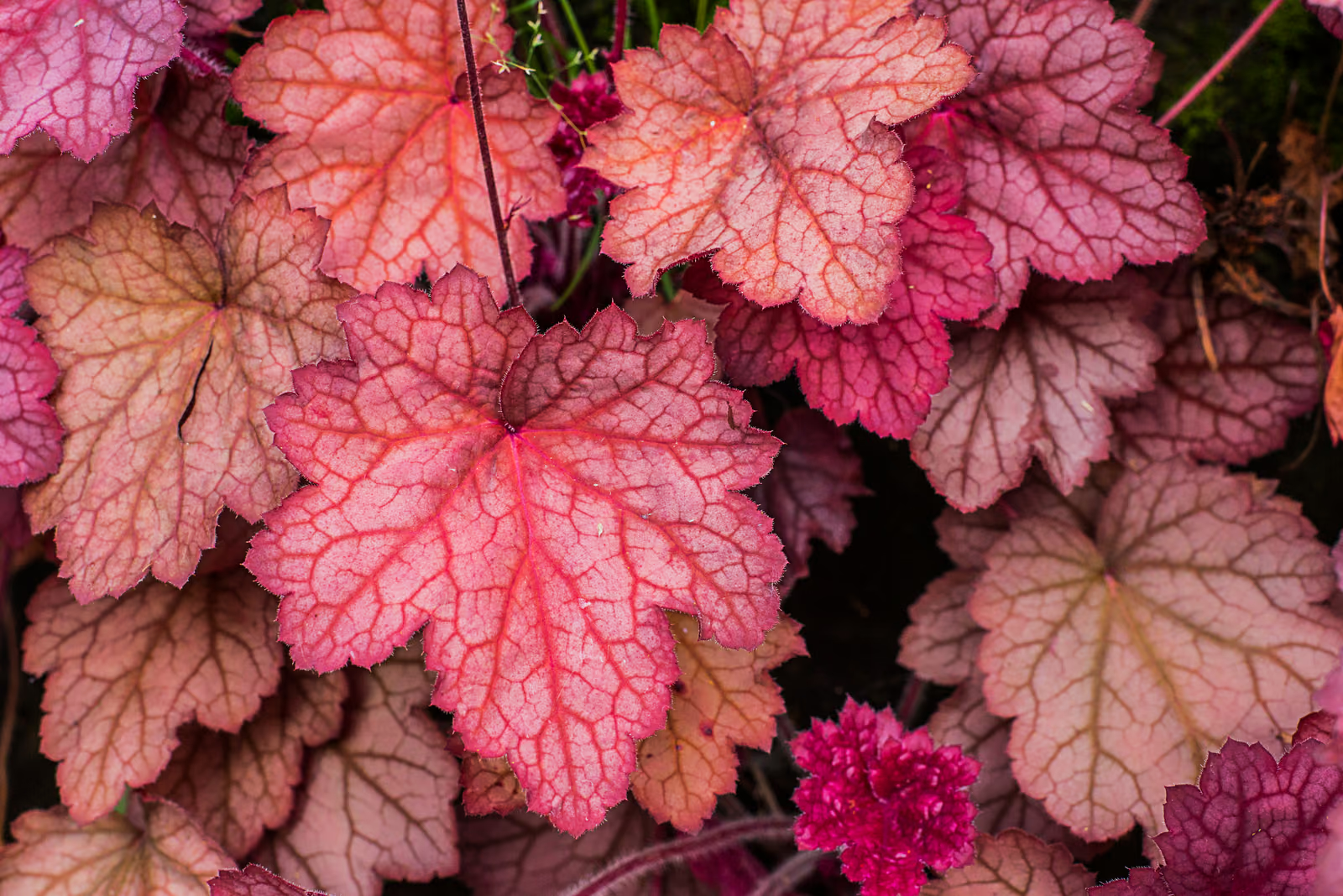
- Wine red, lime green, purple, orange foliage
Care tips
Keep the potted plant in a semi-shaded, well-ventilated spot with slightly moist soil; the leaves can also be cut and used as foliage.
About this flower
Coral Bells is all about leaf colour — from wine red to lime green — making it a wonderfully versatile foliage plant.
Our designs with this flower
Want a bouquet with this flower? Tell us and our florist will design one.
Have pets at home?
Add “I have a cat / dog / rabbit” in the order notes and our florist will use pet-friendly flowers.
FAQ
Is coral bells toxic to cats?+
Listed as non-toxic.
Is coral bells toxic to dogs?+
Listed as non-toxic.
Is coral bells toxic to rabbits?+
No reliable data found — please ask your vet.
How do I care for cut coral bells?+
Keep the potted plant in a semi-shaded, well-ventilated spot with slightly moist soil; the leaves can also be cut and used as foliage.